

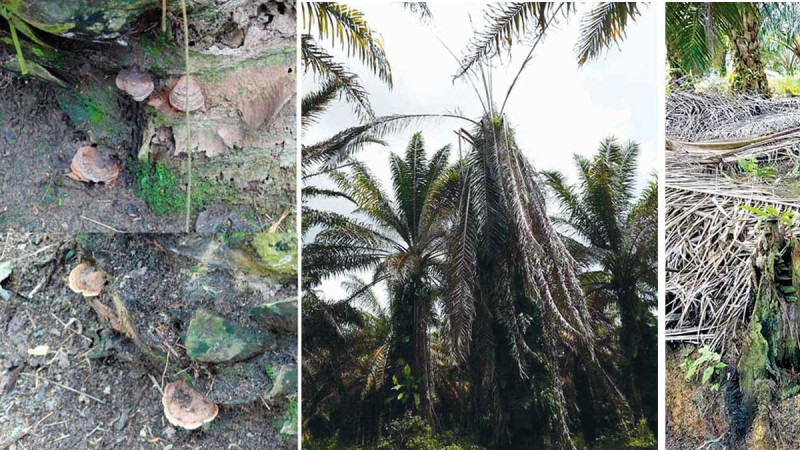
BRIN Research Tracks Ganoderma, the Silent Threat Lurking Beneath Oil Palm Plantations
Ganoderma, one of the most serious diseases affecting oil palm, has long been a major challenge for the plantation industry. Researchers at Indonesia's National Research and Innovation Agency (BRIN) are now seeking ways to detect its presence earlier, before infected palms begin showing obvious signs of decline. For the palm oil industry, Ganoderma is more than a plant disease. It represents both an economic threat and a scientific challenge that remains far from fully resolved. Siti Hardiyanti, a junior researcher at the Plantation Crops Research Center under BRIN's Research Organization for Agriculture and Food, explained that Ganoderma boninense is the...
2026/08/22
Agrinas Prepares North Sumatra Palm Oil Plasma Pilot Project with Cooperatives
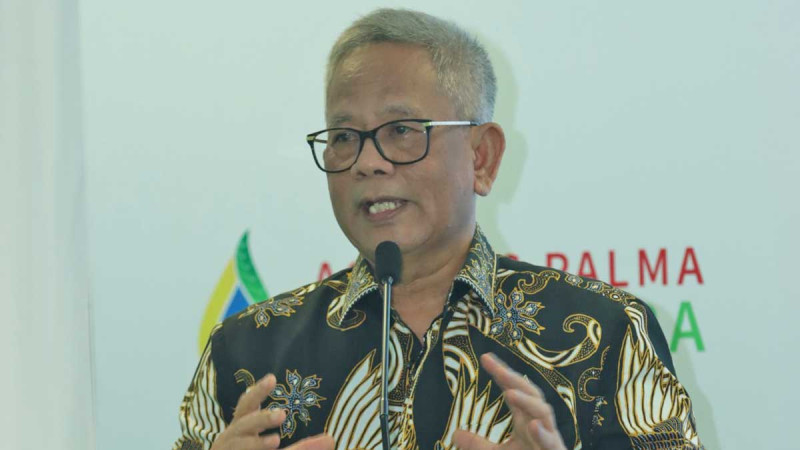
The plan is designed to establish a partnership framework between Agrinas and palm oil smallholders organised through cooperatives, combining plantation development with broader opportunities for community participation in the palm oil value chain. According to Antara, as published by on Wednesday, August 19, 2026, Agrinas Palma Nusantara President Director Mohammad Abdul Ghani said the pilot project had received support from the Ministry of Cooperatives. The initiative will focus on developing a plasma partnership model in North Sumatra that could later be replicated in other regions. “We will conduct a pilot project, with support from the Minister of Cooperatives, in North...
2026/08/21

From Pakistan to Indonesia, Young Ambassador Finds a New Perspective on Palm Oil
Before travelling to Indonesia, much of Ahmad’s understanding of palm oil came from online discussions and social media in Pakistan. The range of opinions and concerns surrounding the industry left him with unanswered questions and a desire to examine the sector more closely. That curiosity encouraged Ahmad, a student and youth activist, to join the second batch of the #YoungElaeis Ambassadors (YEAs) programme. His participation later earned him recognition as the Second Winner in the Health & Nutrition category. Through the programme, Ahmad was given the opportunity to move beyond second-hand information. He was able to observe, ask questions and...
2026/08/20
Indonesia Palm Oil Export Corruption Case Involving POME Enters Trial Phase
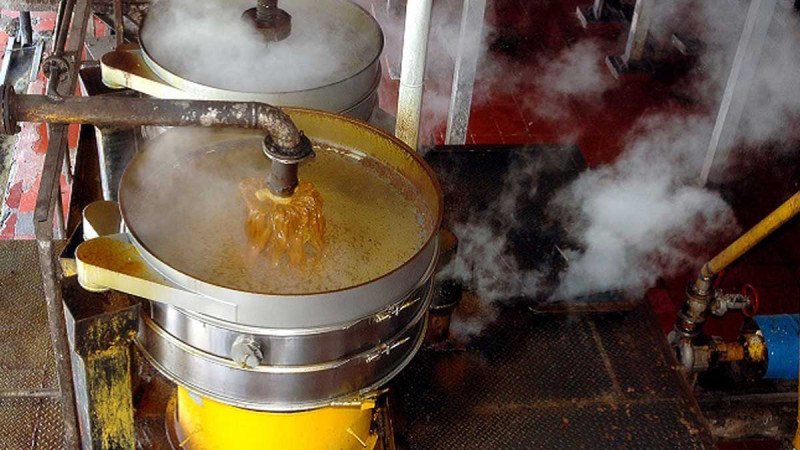
According to ANTARA, as reported by on Sunday (16/8/2026), the first hearing will focus on the reading of indictments against all 11 defendants in the alleged corruption case involving CPO exports during the 2022–2024 period. Jakarta Central District Court spokesman Andi Saputra said the defendants were allegedly involved in a case involving benefits obtained by themselves, other parties or corporations. The case involves 15 companies and, based on an audit by the Development Finance Comptroller (BPKP), allegedly caused state financial losses of Rp7.3 trillion. “They are charged in a corruption case involving benefits for themselves, other parties or corporations (15...
2026/08/19
Sustainable Landscapes in West Kalimantan Link Forests, Tembawang and Palm Oil
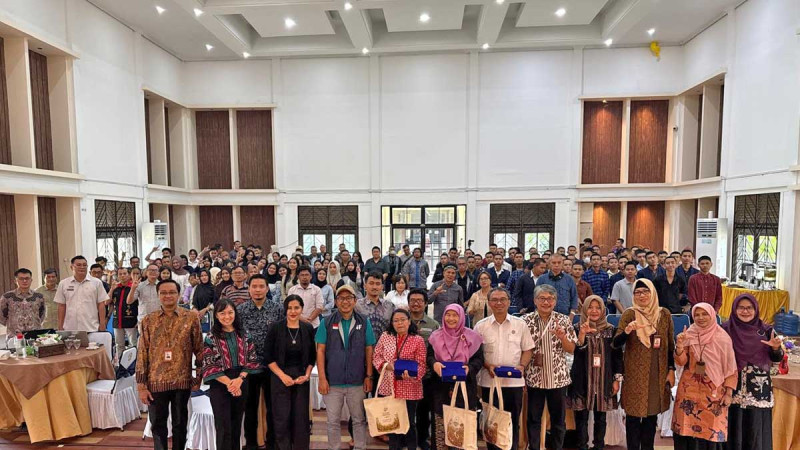
The idea emerged during the Sustainable Landscape Seminar and Festival organized by the Farmers for Forest Protection Foundation (4F), Tanjungpura University (UNTAN) and the National Research and Innovation Agency (BRIN) in Pontianak, West Kalimantan, on Wednesday (12/8/2026). The event brought together researchers, academics, government representatives, smallholders, Indigenous communities, civil society organizations and businesses to discuss landscape management based on scientific evidence as well as community experience on the ground. 4F Executive Director Tirza Pandelaki said research findings need to be brought together with local knowledge so they do not remain confined to academic documents. “After working with communities across various...
2026/08/18
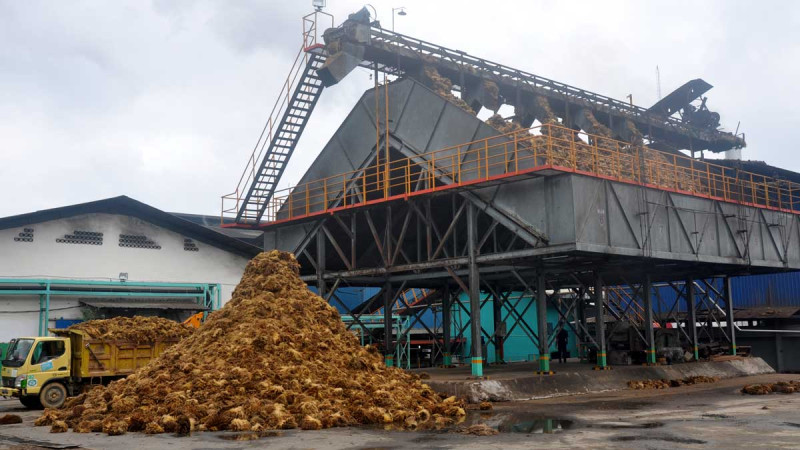
Research has explored lignin extracted from OPEFB as a potential adsorbent for lead ions, or Pb²⁺. The approach could open a new pathway for converting palm oil biomass waste into environmentally useful materials while supporting the development of a circular economy in the palm oil industry. The research, written by Mirza Ardella Saputra, Ph.D., from Universitas Airlangga, processed lignin extracted from OPEFB into particles ranging from the nano to submicron scale. The particle-size reduction process combined ball milling, solvent shifting and ultrasonication. Characterization results showed that ultrasonication was capable of reducing lignin particle size to approximately 268 nanometers, indicating the...
2026/08/17
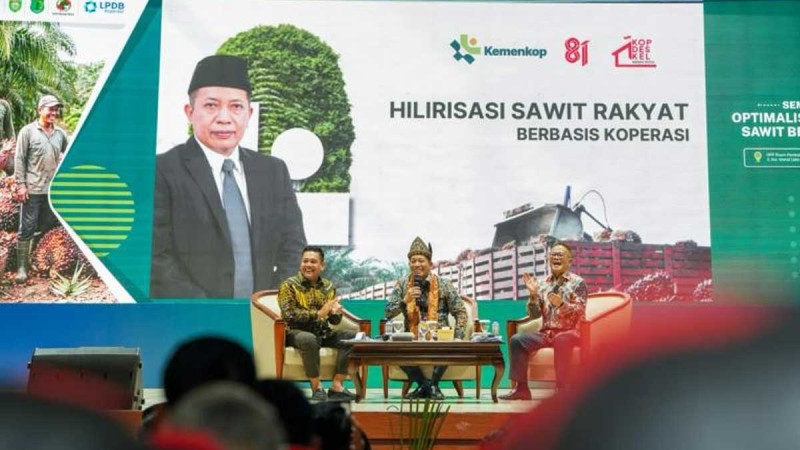
The approach is expected to strengthen the bargaining position of palm oil smallholders while creating greater added value at the regional level. According to Indonesia’s Ministry of Cooperatives, the country currently has 2,587 cooperatives operating in the plantation sector. Cooperatives are considered an important institutional foundation for developing a palm oil downstreaming ecosystem that directly involves smallholders. The government sees opportunities to connect farmers, cooperatives, processing facilities, financing institutions and markets within an integrated value chain. Cooperatives located around palm oil plantation areas are being encouraged to move further into the supply chain. Instead of simply selling fresh fruit bunches...
2026/08/16
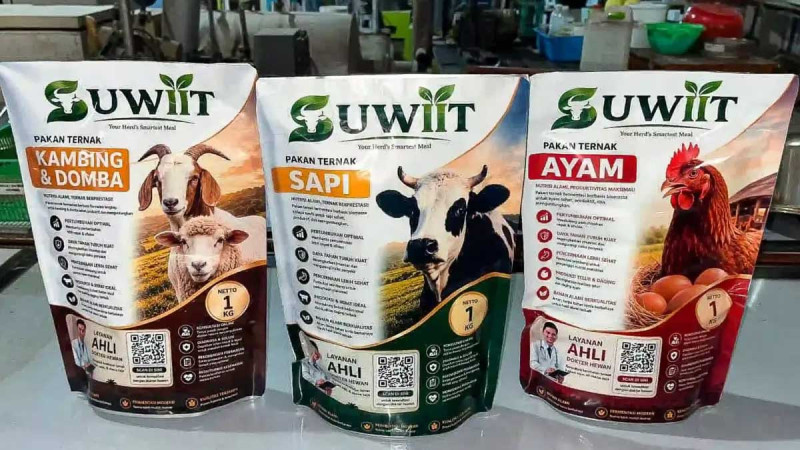
UNDIP Students Turn Palm Oil Empty Fruit Bunches into Livestock Feed, Win National Gold Medal
Their innovation, known as SUWIIT (Smart Livestock Integrated Technology), earned a Gold Medal in the Business Plan category at the 11th Olimpiade Vokasi Indonesia (OLIVIA XI) 2026, held at Universitas Negeri Surabaya from August 2–4, 2026. The concept combines livestock feed made from palm oil biomass with digital livestock services, offering an approach that links the palm oil and livestock sectors through a circular economy model. The SUWIIT team consists of Luis Ibanez Sitinjak, Kholis Na’imah, and Irgy Khoiroel Al Fahrezi, students of the Applied Bachelor’s Program in Industrial Chemical Engineering Technology at UNDIP’s Vocational School. Their proposal was presented...
2026/08/15
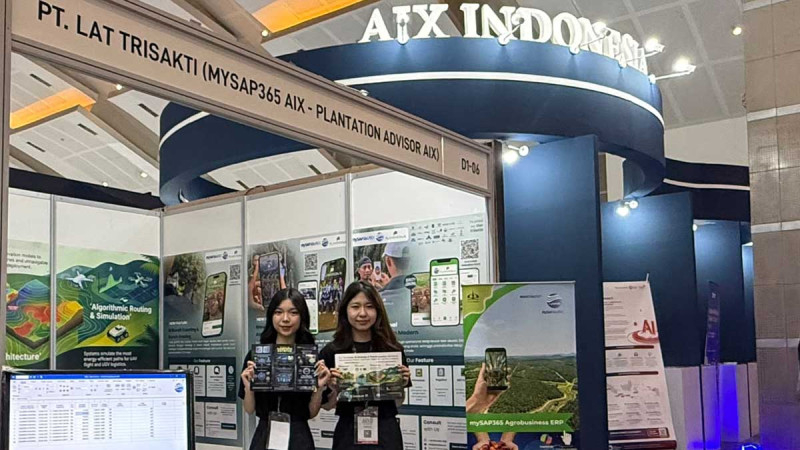
Vision AI Emerges as a New Tool for Monitoring Oil Palm Plantations
Syarifarudin Afa, AI Advisor at PT Lembaga Aplikasi Teknologi (LAT) Trisakti for the oil palm sector, said one of the approaches being developed involves on-premises AI processing. Under this model, AI models and plantation data are processed using computing infrastructure located within the company’s own environment. The approach could provide plantation companies with greater control over operational data and plant images collected from the field. AI Monitoring Starts in the Nursery At the nursery stage, image analysis can help assess seedlings in both the pre-nursery and main nursery. Visual parameters such as leaf color, canopy condition and plant shape...
2026/08/14

Indonesia’s One-Stop Palm Oil Export Policy Raises Questions Over Pricing and Payment Mechanisms
The policy is being regulated through Government Regulation (PP) No. 24 of 2026 and Trade Ministry Regulation (Permendag) No. 16 of 2026. However, several fundamental technical and commercial aspects remain unclear, according to Mansuetus Darto, Chairman of the Indonesian Palm Oil Farmers Organizations Association (POPSI). Darto said greater clarity was needed to maintain market confidence while ensuring that the policy does not weaken fresh fruit bunch (FFB) prices at the smallholder level. One of the main unanswered issues concerns how PT Danantara Sumberdaya Indonesia (DSI), designated as the state-owned export entity, will determine purchase and export prices for palm oil....
2026/08/13
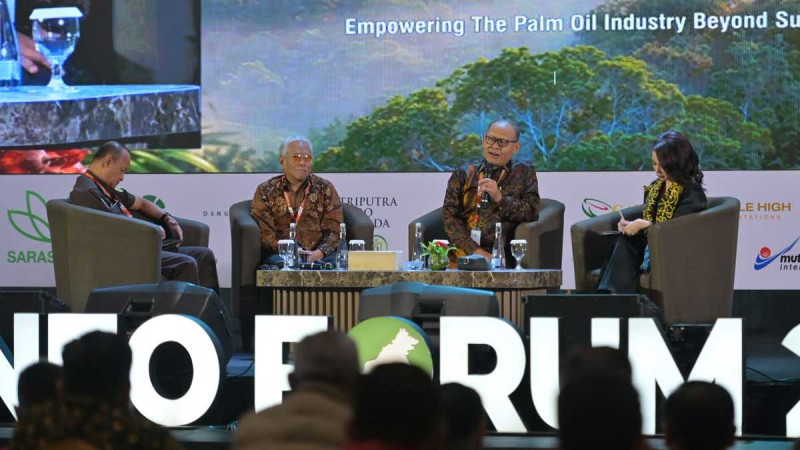
Regulatory Uncertainty Could Hold Back Investment and Weigh on Indonesia’s Palm Oil Competitiveness
The regulation has raised concerns among academics and industry stakeholders over the potential impact of regulatory uncertainty on investment decisions. When rules are open to differing interpretations or applied without sufficient clarity, businesses may become more cautious in committing capital to new projects or expansion. Dean of the Faculty of Economics and Business at Mulawarman University, Dr. Zainal Abidin, said legal certainty is a fundamental prerequisite for sustaining investment. He made the remarks during the Borneo Forum 2026 in Balikpapan on Thursday (Aug. 6, 2026), an event supported by the Palm Oil Plantation Fund Management Agency (BPDP). According to Zainal,...
2026/08/12

Indonesia’s 50% DHE SDA Rule Raises Liquidity Concerns for Palm Oil Industry
Dr. Yustinus Lambang Setyo Putro, Head of Taxation and Fiscal Affairs at the Indonesian Palm Oil Association (GAPKI), said the government should focus on ensuring that existing regulations are implemented effectively as it considers further changes to the DHE SDA framework. Speaking at the Borneo Forum 2026 in Balikpapan, Yustinus said palm oil exports are already monitored by several government institutions, including Bank Indonesia, the Directorate General of Customs and Excise, the Ministry of Finance, relevant technical ministries and local governments. For that reason, he said, the effectiveness of the DHE SDA policy will depend not only on the regulation...
2026/08/11
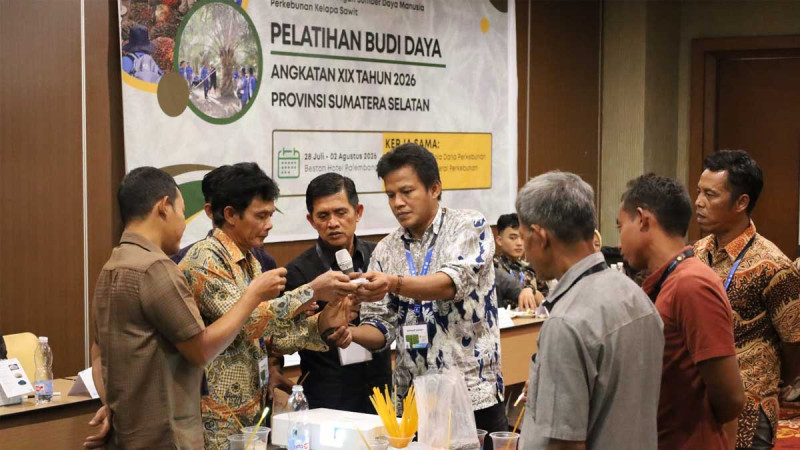
128 Musi Rawas Smallholders Complete Modern Oil Palm Cultivation Training Under BPDP Program
According to an official statement obtained by on Wednesday (July 28), the program was organized by the Palm Oil Plantation Fund Management Agency (BPDP) in collaboration with the Directorate General of Estates (Ditjenbun) under the Ministry of Agriculture and IPB Training. The training was held from July 18 to August 2, 2026, at Beston Hotel in Palembang. The participants were divided into four training batches and received comprehensive instruction combining classroom lectures, practical exercises, and field visits. The curriculum was designed to strengthen technical knowledge while equipping farmers with hands-on skills to manage plantations more efficiently and sustainably. Representatives from...
2026/08/10
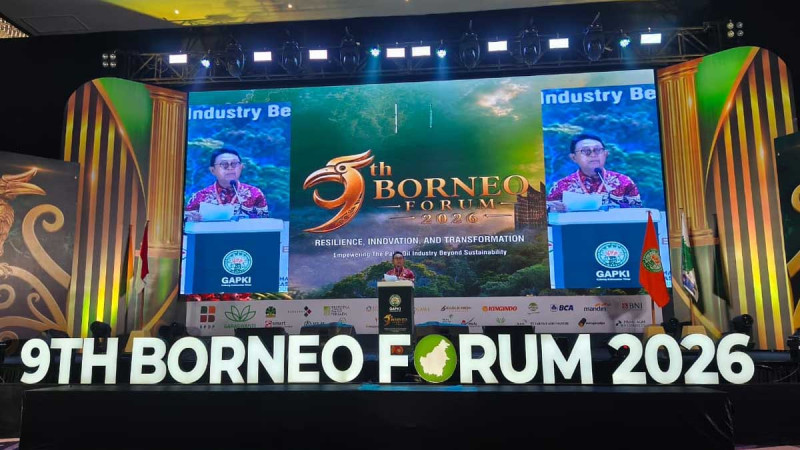
GAPKI: Innovation and Higher Productivity Will Shape Indonesia's Palm Oil Future
GAPKI Chairman Eddy Martono said Indonesia's palm oil industry has consistently demonstrated resilience through major economic challenges, including the 1998 Asian financial crisis, the 2008–2009 global financial crisis, and the COVID-19 pandemic. Throughout these periods, the sector remained one of the country's key economic pillars. During the pandemic, Indonesia's palm oil industry generated approximately US$39.2 billion in foreign exchange earnings while continuing to create employment opportunities, even as many other sectors experienced workforce reductions. Eddy noted that the industry remains strategically important because it contributes significantly to export revenues, supports millions of jobs, and drives economic activity across Indonesia's plantation...
2026/08/09
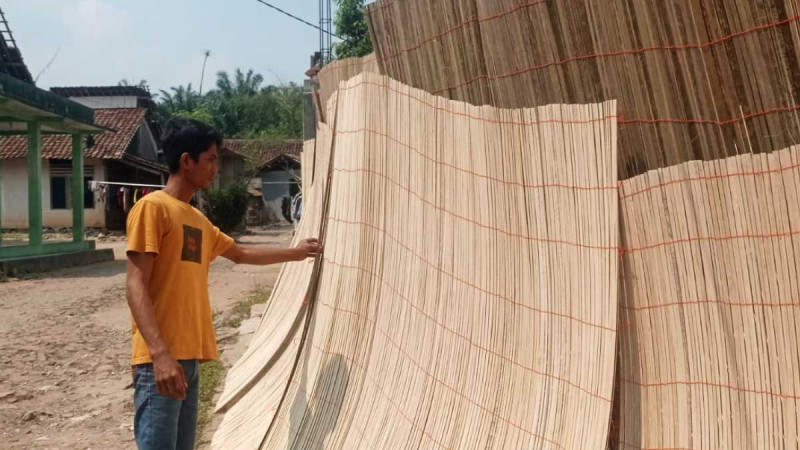
Palm Frond Blind Business Booms as Indonesia's Dry Season Drives Demand
According to Antara, the spike in demand is being driven by households and businesses seeking affordable natural shading products to protect buildings from intense sunlight during the prolonged dry season. One collector, Toto, said weekly sales have increased from around Rp30 million to Rp60 million, supported by a doubling in shipment volumes from approximately 1,000 to 2,000 units each week. The blinds are sold through retailers at around Rp30,000 per unit and distributed to customers across Banten and the Greater Jakarta metropolitan area. Another collector, Timan, reported a similar trend, with weekly turnover rising from about Rp25 million to Rp50...
2026/08/08
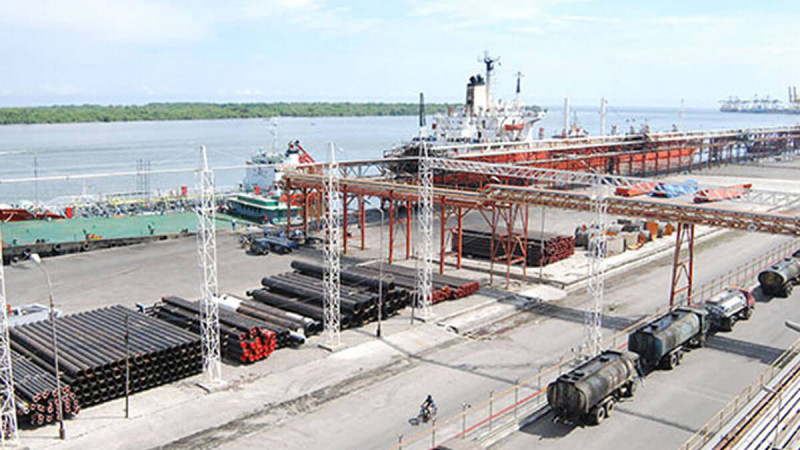
One-Gate Palm Oil Export Plan Sparks Debate Between Stronger State Control and Market Confidence
For the government, the initiative is aimed at tightening oversight of export activities and reducing long-standing trade leakages, including the practice of under-invoicing, where export values are declared below actual market prices. Such practices have long been blamed for reducing state revenue and allowing export earnings to remain outside Indonesia's financial system. The policy is also expected to strengthen government control over Export Proceeds (DHE), enhance Indonesia's bargaining position in global commodity markets, and establish a more centralized national trading platform. However, industry observers believe financial markets may interpret the proposal differently. According to Edi Suhardi, Sustainable Palm Oil Analyst...
2026/08/07
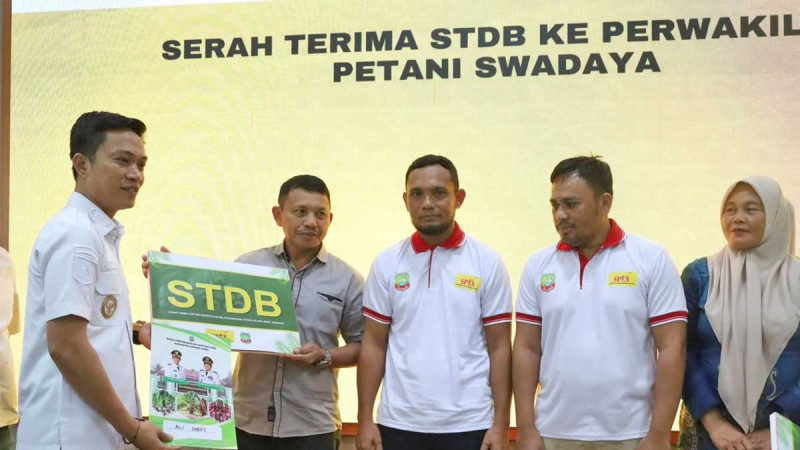
North Konawe Accelerates Oil Palm Smallholder Registration to Strengthen STDB and ISPO Compliance
According to , citing Kendari Pos on Tuesday (August 4), the initiative was highlighted during a Multi-Stakeholder Sustainable Palm Oil Workshop, which also served as a platform to accelerate the collection of comprehensive data on oil palm growers. The event brought together local government officials, the National Oil Palm Smallholders Union (SPKS), regional agencies, and village heads from across North Konawe. North Konawe Regent Ikbar emphasized that registering smallholders is a strategic step toward establishing better governance in the oil palm sector while ensuring compliance with national sustainability standards. He explained that the registration process extends beyond administrative requirements, providing...
2026/08/06
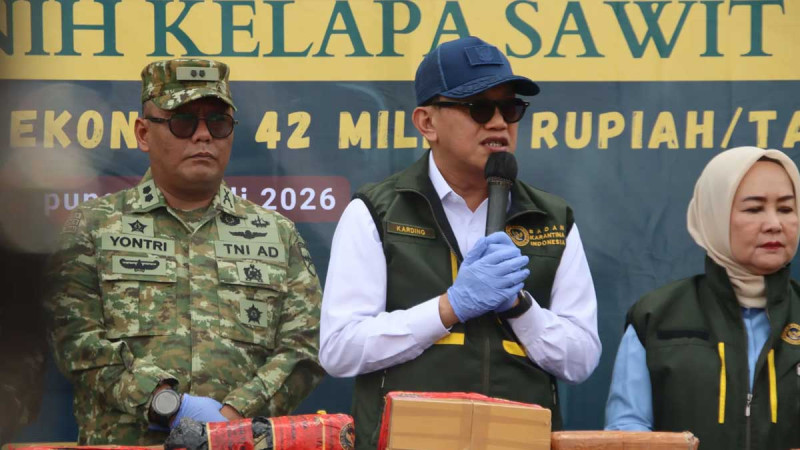
According to an official statement from Barantin, the operation demonstrates the government's commitment to safeguarding the quality of planting materials and protecting Indonesia's plantation sector from counterfeit seed distribution. Head of the Indonesian Quarantine Agency, Abdul Kadir Karding, said illegal oil palm seeds not only threaten farmers' livelihoods but also pose long-term risks to the sustainability of the country's palm oil industry. "The government must not allow counterfeit seed distribution to continue. We urge all businesses to comply with existing regulations, while those deliberately violating the law will face firm legal action," Karding said during the case announcement in Bandar...
2026/08/05
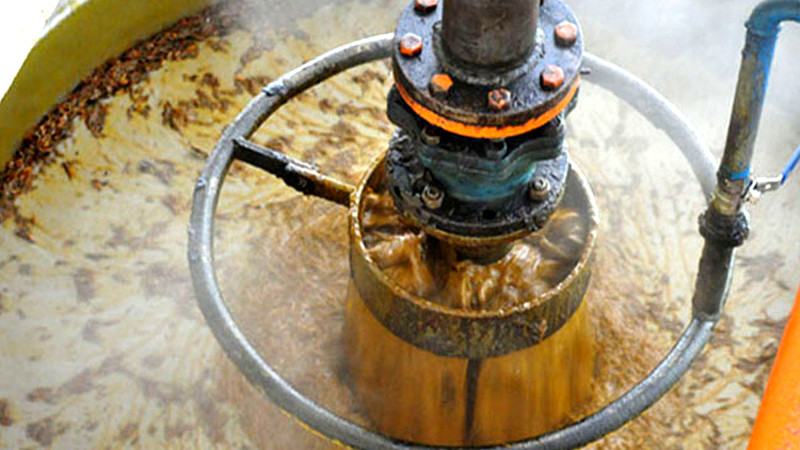
Pakistan's Palm Oil Imports Hit Record 3.48 Million Tons as Consumption Climbs Despite Tax Pressure
According to , citing Propakistani on Sunday (August 2), data released by the Pakistan Bureau of Statistics (PBS) showed that palm oil imports reached US$3.785 billion, up from 3.214 million tons worth approximately US$3.4 billion recorded in FY2025. The average import price also increased, rising to around US$1,078 per ton compared with US$1,056 per ton a year earlier. The surge was largely driven by expanding domestic consumption of cooking oil and ghee, fueled by population growth and declining production of local oilseed crops. Sheikh Umer Rehan, Chairman of the Pakistan Vanaspati Manufacturers Association (PVMA), said Pakistan's annual edible oil consumption...
2026/08/04
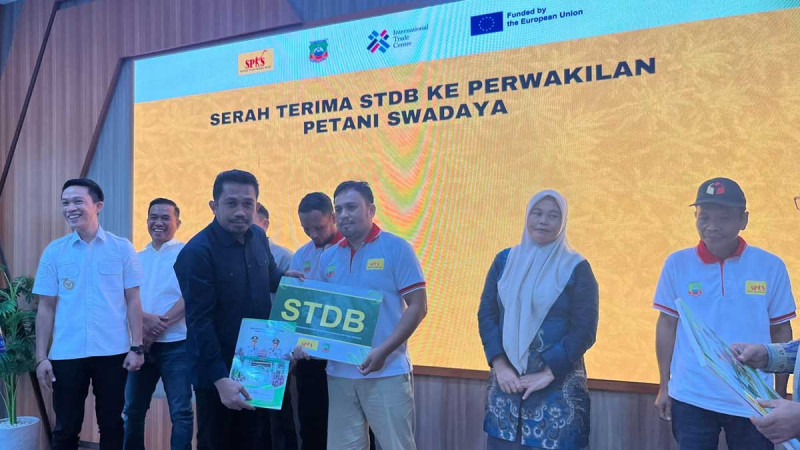
According to an official statement released by SPKS and received by , SPKS Chairman Sabarudin delivered the commitment during a multi-stakeholder workshop on sustainable palm oil held at the Regional Development Planning Agency (Baperidda) office in Konawe Utara on July 30. The event was officially opened by Regent Dr. H. Ikbar. Sabarudin emphasized that successful implementation of the regional action plan requires close collaboration among local governments, farmers, plantation companies, academics, and civil society organizations. He said that accelerating farmer data collection, polygon-based plantation mapping, issuance of the Smallholder Plantation Registration Certificate (STDB), and wider adoption of the Indonesian Sustainable...
2026/08/03
